In this guide · 6 sections
Repairing a deck in Sydney can cost a few hundred dollars for a handful of boards, or more than a new deck if the frame underneath has rotted. The deciding question is the frame: if the bearers, joists and posts are sound, new boards on the old frame cost much less than a rebuild. The only reliable figure is a quote made after someone has looked under the deck.
First what the repair and rebuild prices cover, then how to tell which one your deck needs and what you can check yourself. Our decking page covers new boards and new decks.
What do the repair prices cover?
The repair bands are per item, matched to the existing deck as near as the timber allows, and include GST. A small job carries a minimum charge, which is why a few loose boards can cost more per board than a larger repair:
- Board replaced
- $30–$80each
- Joist repaired or sistered
- $200–$400each
- Joist replaced
- $300–$600each
- Post replaced
- $250–$500each
- Stair tread replaced
- $40–$100each
What the prices cover
- The timber or boards to match, as near as they can be matched
- Fixings and labour
Priced separately
- Minimum charge for a small repair: $120–$180 per job
- Removing an old deck for a rebuild: $23–$63 per m²
- Oiling or staining the deck after the repair
- Rot found in the frame once boards come up, priced before we do it
A typical rebuild
Pulling out a tired 20 m² deck and building a new merbau one comes to about $7,360–$13,860.
And a rebuild?
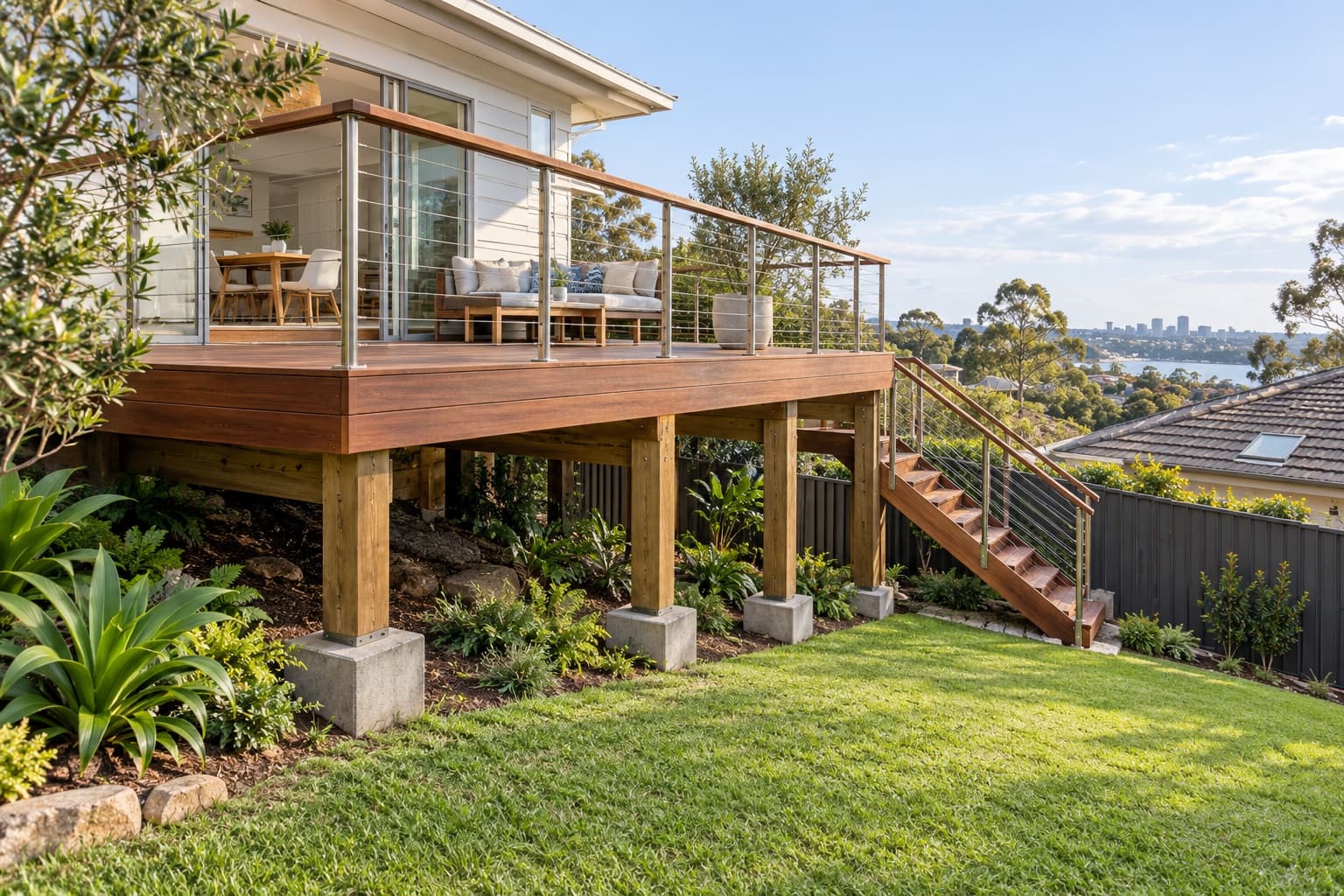
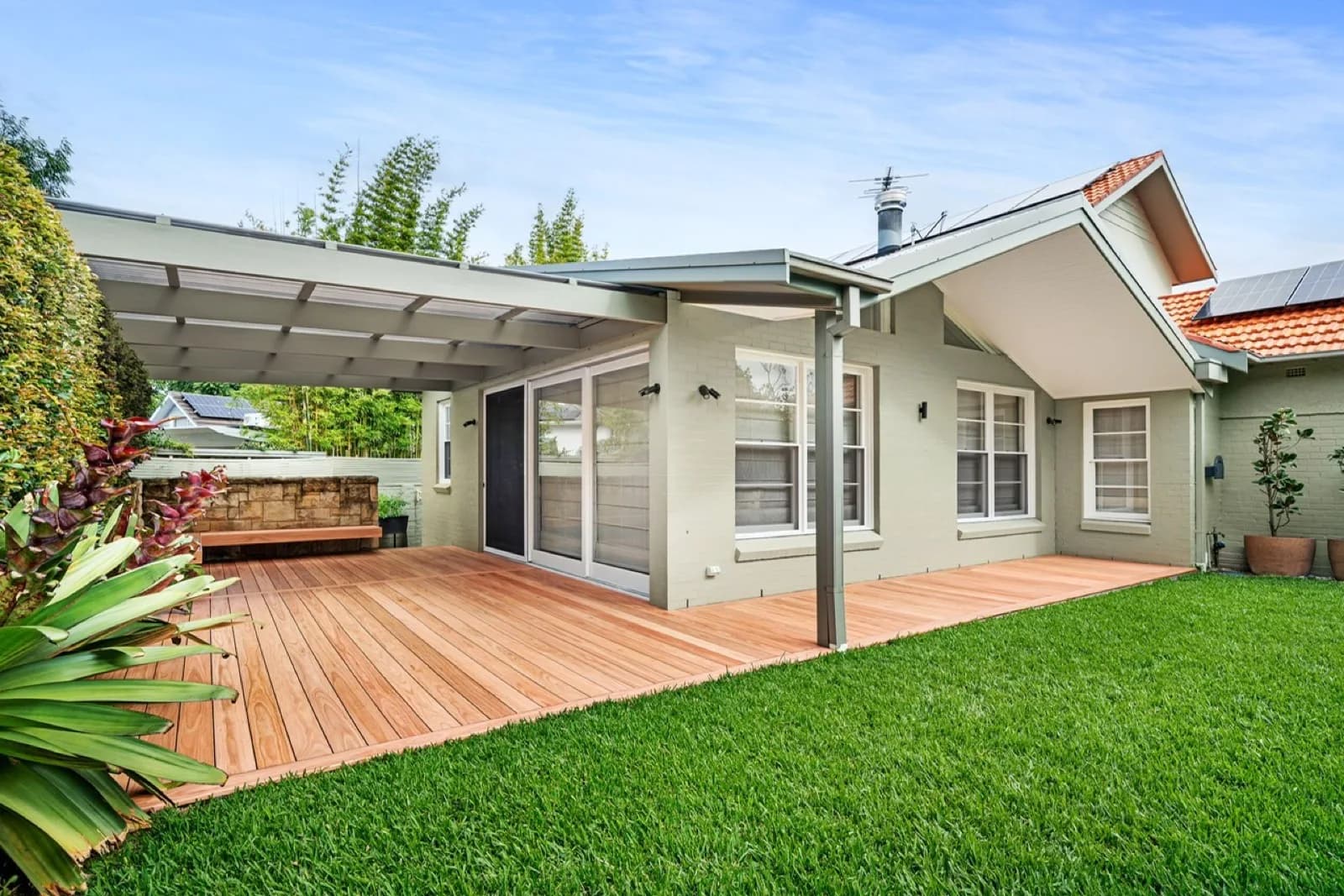
When the frame has had its day, a rebuild is priced like a new deck, plus taking the old one away at $23–$63 per m². A new deck up to a metre off the ground runs at about $205–$400 per m² in treated pine, $345–$630 in merbau and $320–$805 in composite, including GST. Our deck cost guide covers new decks in more detail.
Repair, re-board or rebuild?
Most tired decks fall into one of three cases:
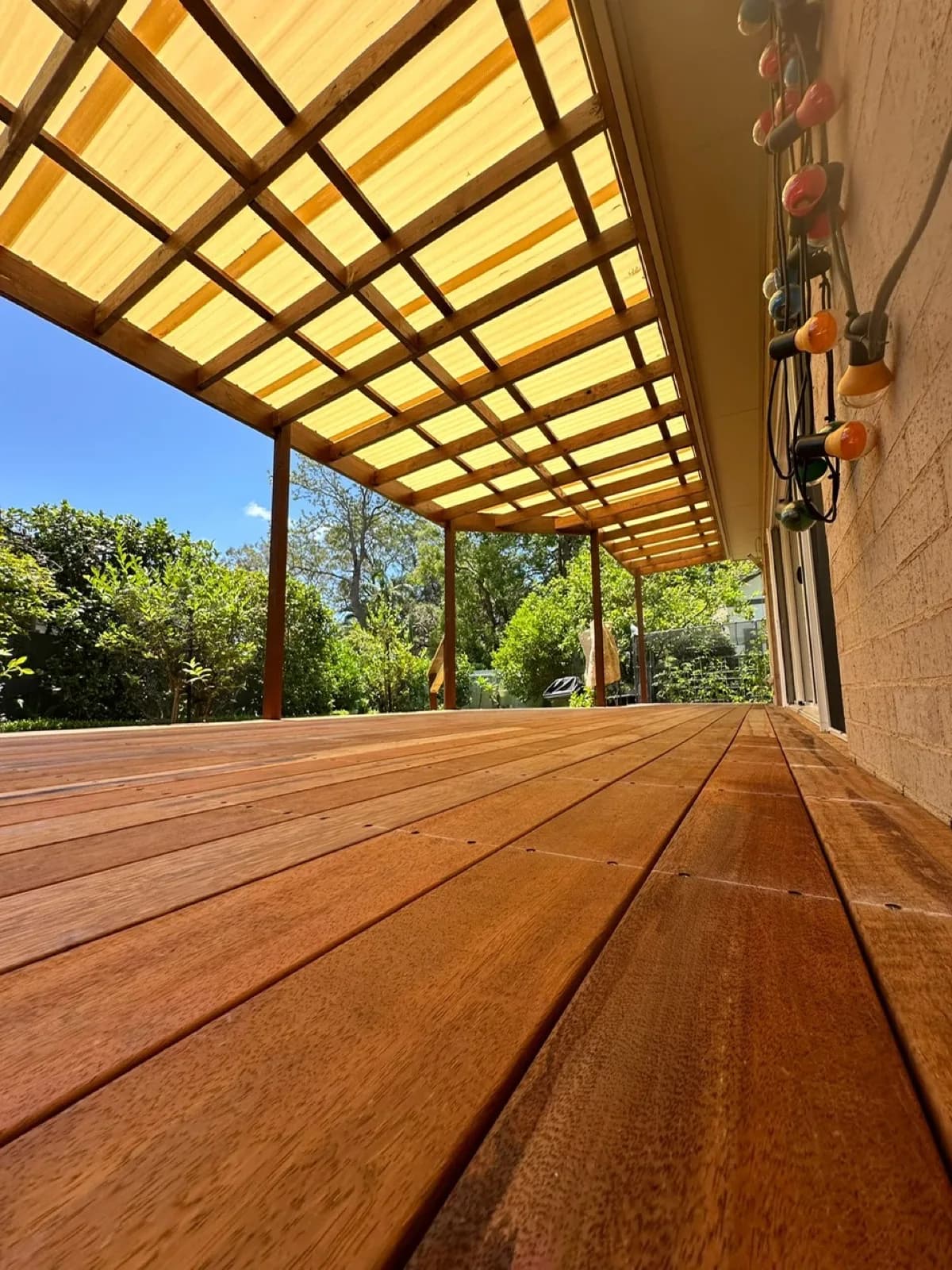
- Repair. A few split or cupped boards, a loose stair tread or one soft post. The rest of the deck is sound, so we replace what is damaged and leave the rest.
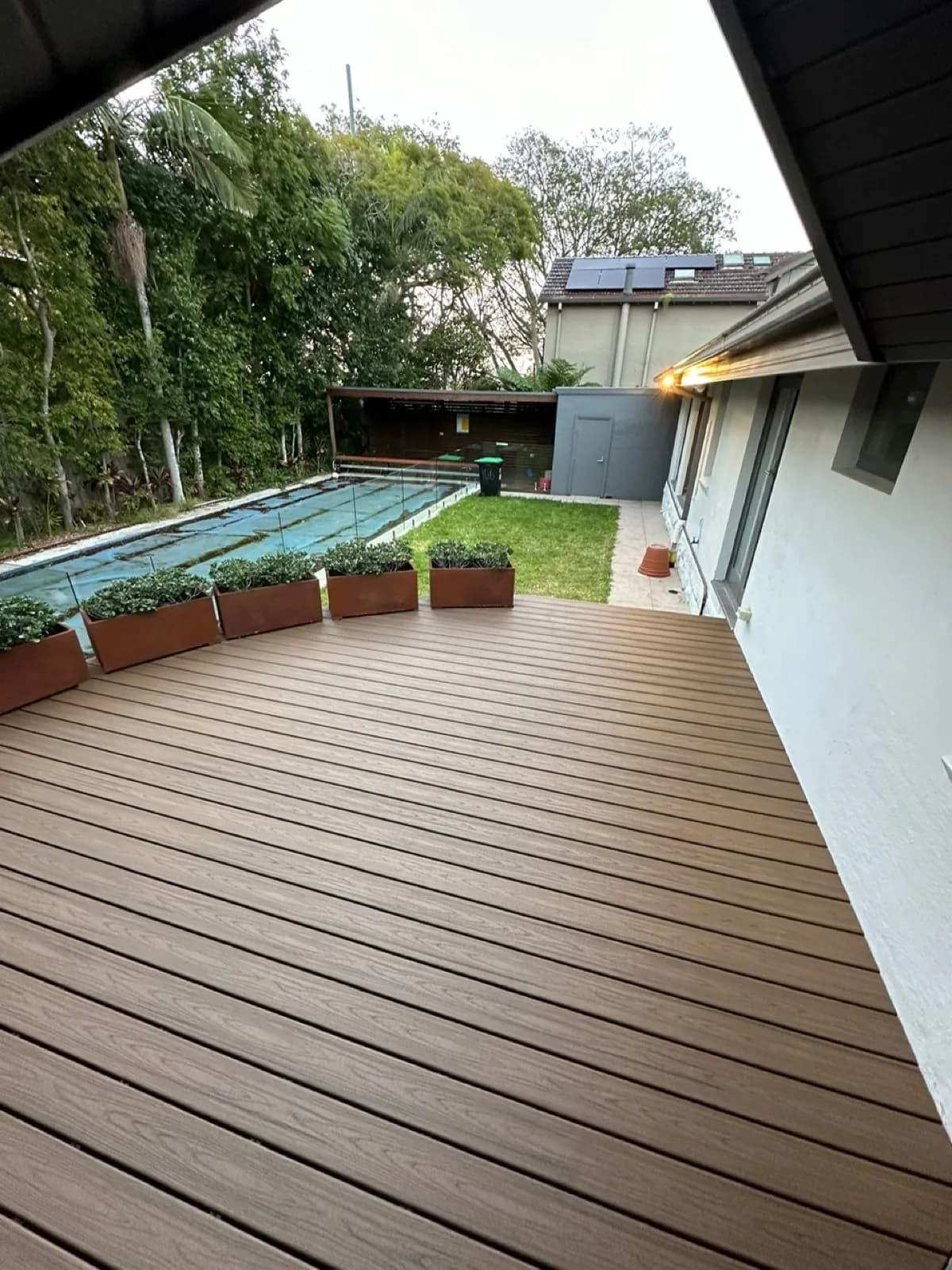
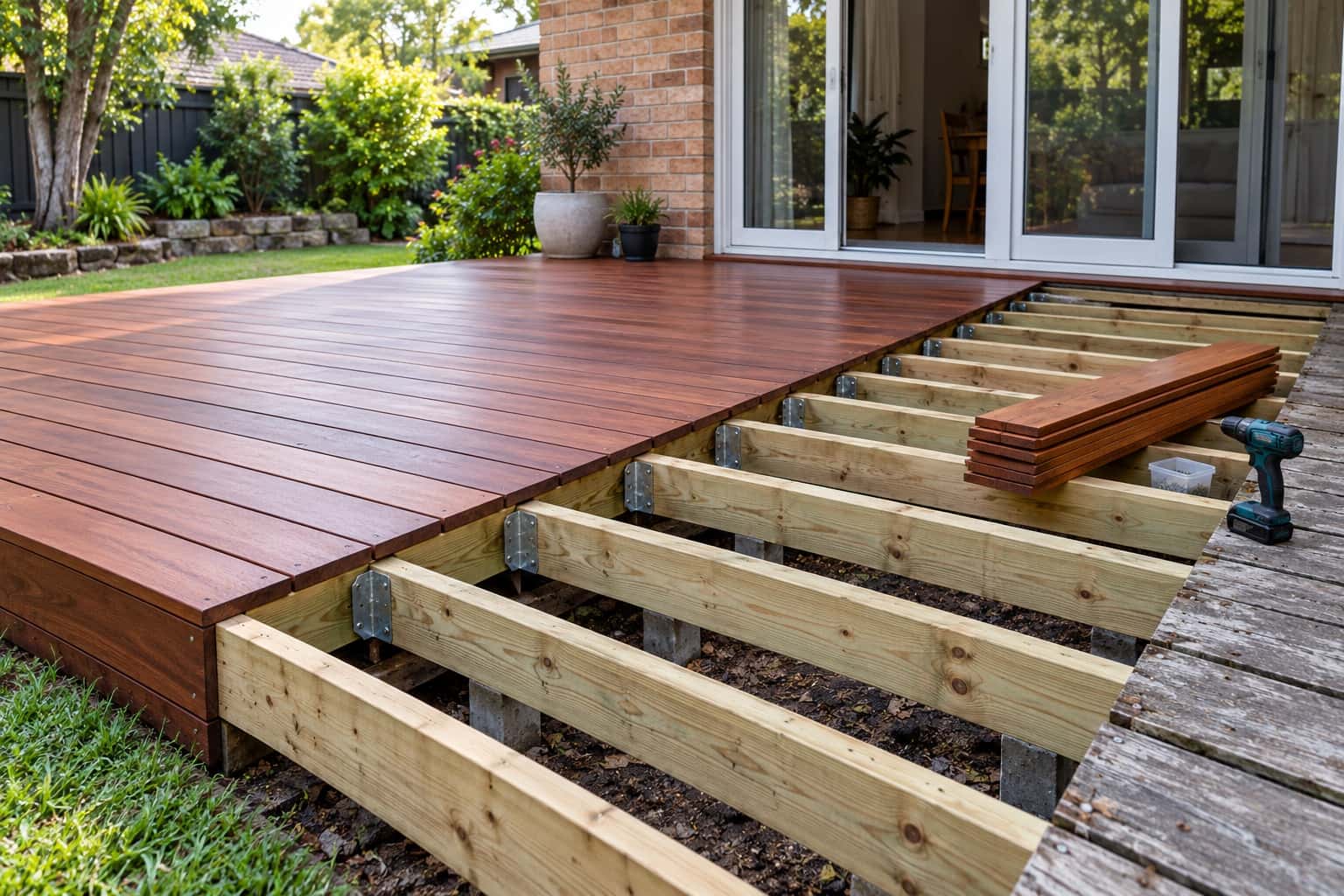
- Re-board. The boards are worn, splintered or rotting, but the bearers, joists and posts are sound. New boards go on the existing frame, often in a different timber or in composite.
- Rebuild. The frame itself is rotten, undersized or sitting on failing footings. New boards on a bad frame won’t last, so the frame is replaced too.
The boards you can see are a poor guide to the frame. A deck can look tired on top with a sound frame, or look fine with rot in the joists where water sits. That is why we check underneath before we quote, and if parts of the frame are bad, we show you and price both options so you can compare.
What should I look for myself?
- Soft or springy boards. Push a screwdriver into a board near the edge or where water pools. If it sinks in easily, the timber is rotting.
- Rot at the posts. Look where the posts meet the ground or the footing, the first place water does its damage.
- Joists over the ground. On a low deck, look underneath with a torch for dark, soft or crumbling timber.
- Loose stairs or balustrades. Movement in a handrail or a stair stringer means the fixings or the timber behind them have failed. Fix these first, because they are a safety risk.
Does re-boarding change the look?
It can. Re-boarding is a chance to change from timber to composite, or to a different hardwood, as long as the frame suits the new boards. Composite boards set their own joist spacing, so a timber frame sometimes needs extra joists before composite can go on it. We check that on site and include it in the quote.
How do you get a real figure for your deck?
Send us a few photos of the deck, the stairs and anything underneath you can reach, with a rough size. We then check the frame, the footings and how water leaves the area, and give you a written quote for the repair, the re-board or the rebuild, or more than one if they are close.
Also check the builder’s licence on the NSW Government licence register. Timbaland Carpentry holds NSW Contractor Licence 276621C in the Carpenter class.