

Licensed carpenter · Sydney
Privacy screens in Sydney
Timber and composite batten screens for decks, balconies, stairs and fences, built to block the view that bothers you while letting air and light through.
- Google reviews
- 5.0 from 33
- NSW licence
- 276621C · Carpenter
- Quotes
- Free, on site
- Licensed
- Since 2014
About privacy screens
A privacy screen solves one problem: the view you don't want.
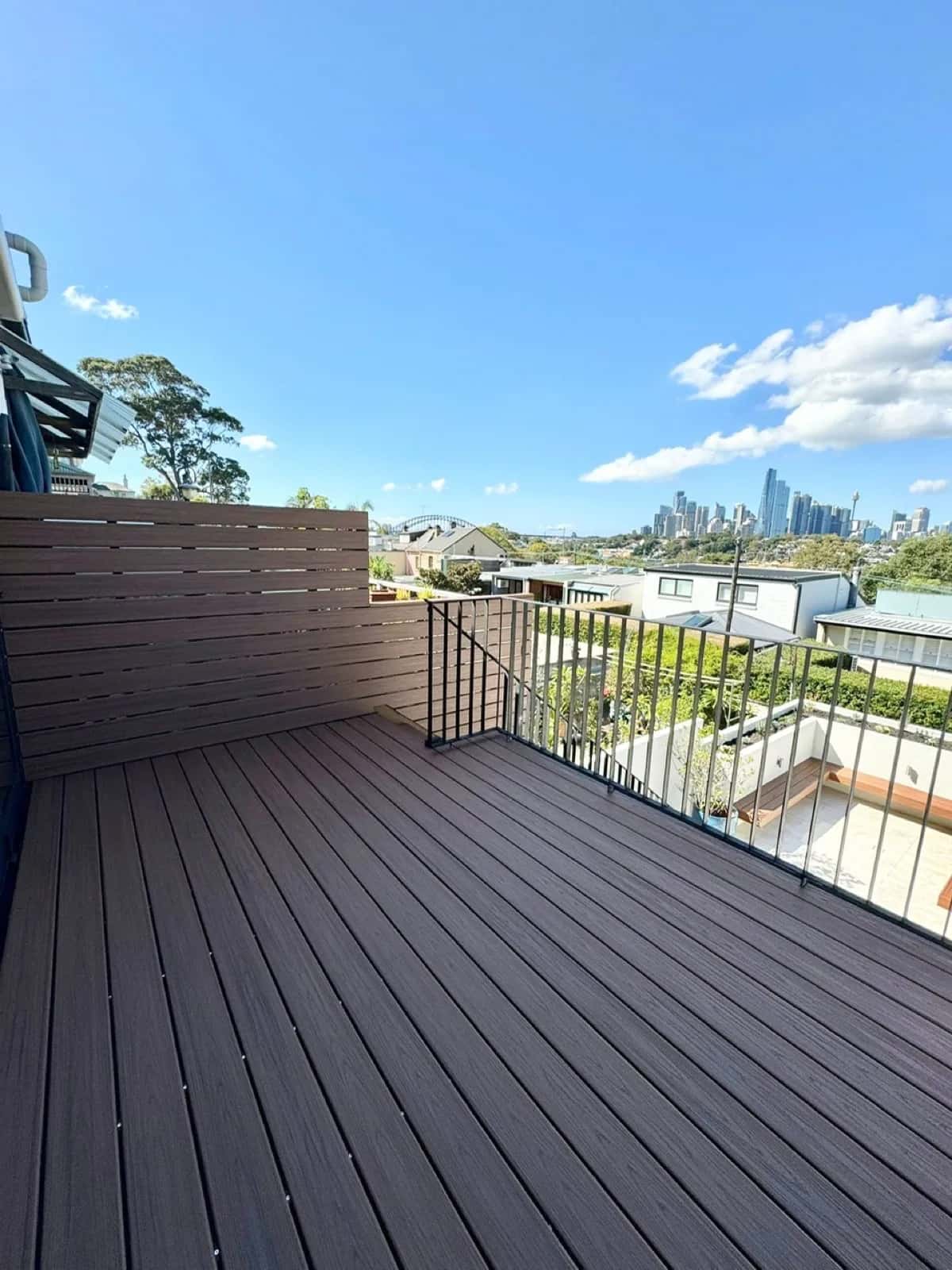
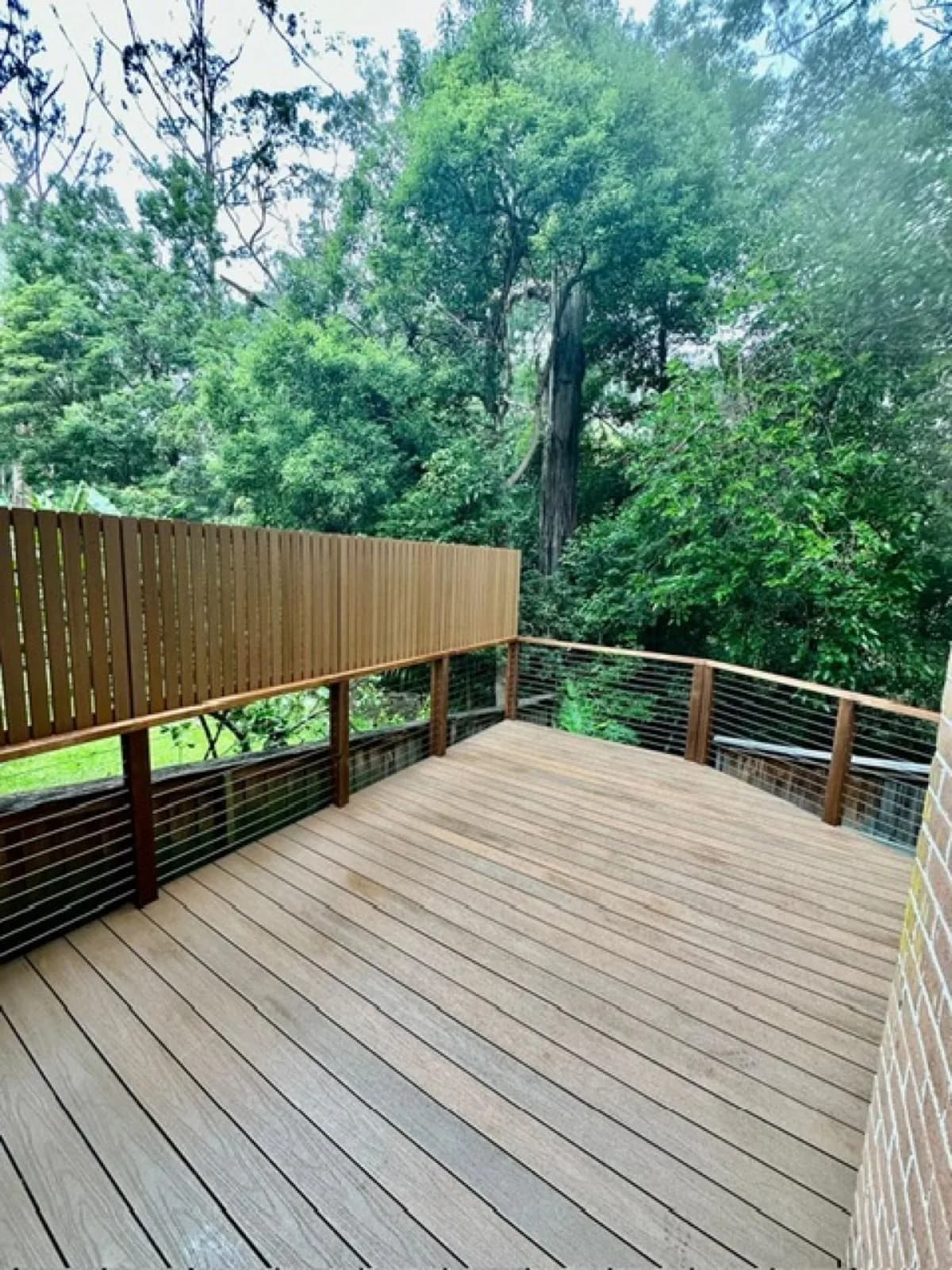
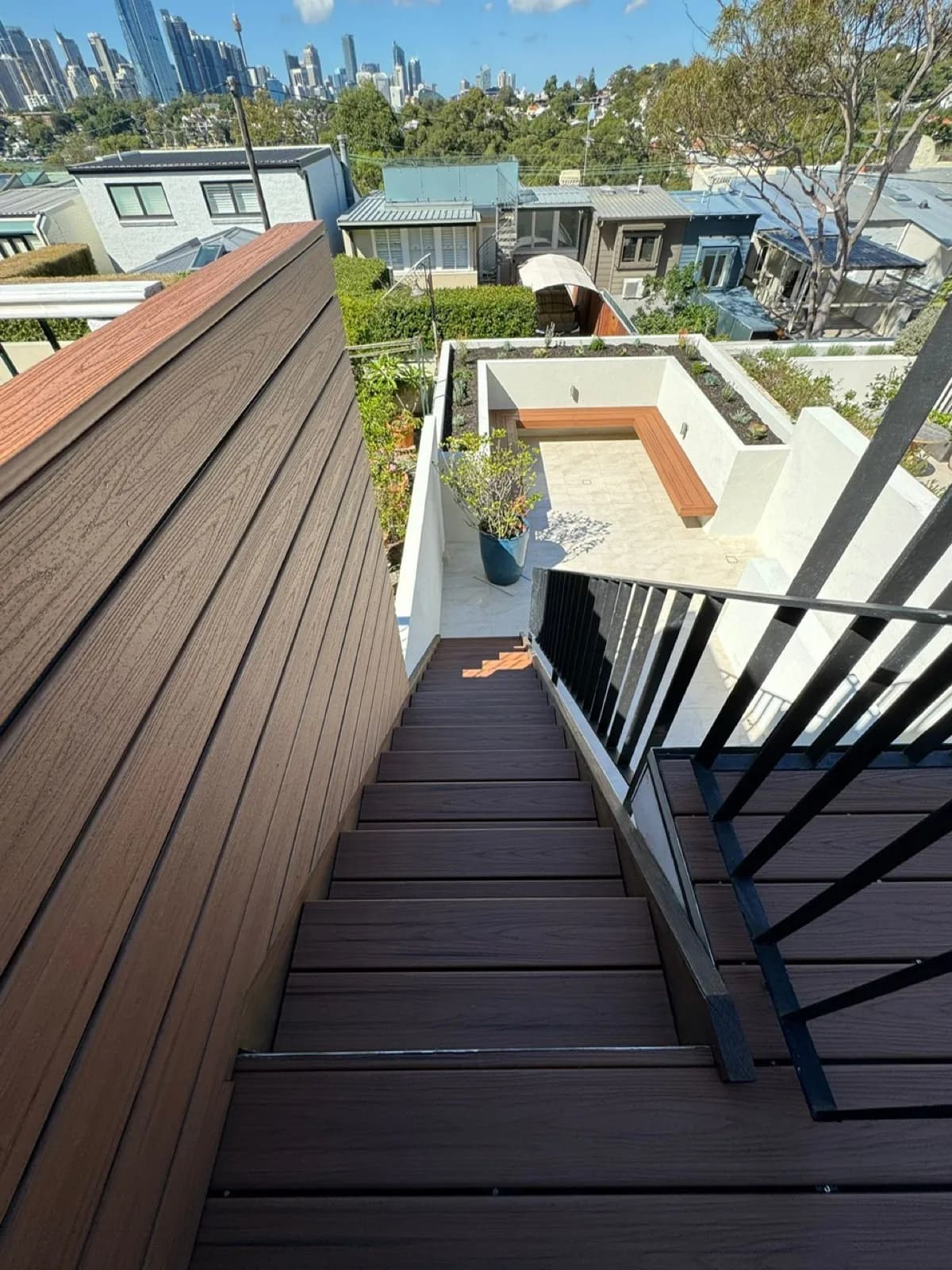
It might be a neighbour's window, a view into the yard or a balcony that feels exposed. We build screens in timber and composite battens, fixed to decks, balconies, stairs and fences. In Birchgrove we built a composite screen on an upper balcony; in Beecroft, a batten screen on a deck on a bush slope.
A screen only needs to block the line of sight that matters. Standing where you sit or look out, and checking what can be seen from next door, tells us how tall and wide it needs to be and where it can stay open. That keeps the screen smaller and lighter than one that blocks everything.
On a deck or balcony, a screen works best as part of the frame: posts run up from the subframe, so it is strong enough for the wind and looks like it belongs. Added to an existing deck, it needs something solid to fix to, so we check the posts and joists first.
On a boundary, most existing fences weren't built to carry extra height, so the usual answer is new posts just inside the fence on your side, with the screen fixed to those. A shared fence also involves the neighbour, and height limits apply either way.
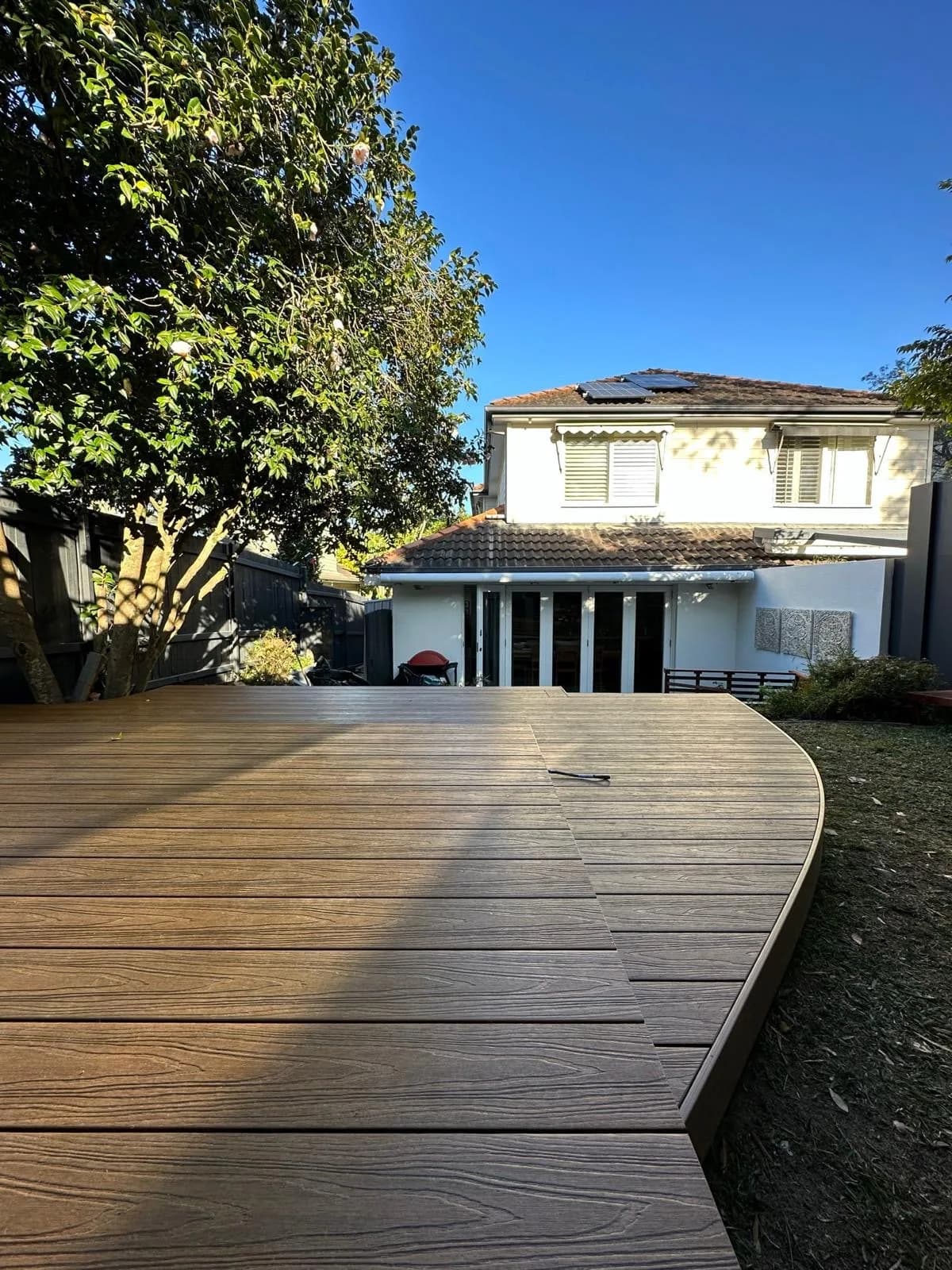
Battens can run horizontally or vertically, in hardwood, treated pine or composite, with gaps sized for more privacy or more airflow. Timber can be oiled, stained or painted; composite needs no oiling and can match a composite deck.
Privacy screen types
- 01
Timber screens
Hardwood or treated pine battens, horizontal or vertical, fixed from the front in neat lines or from behind, then oiled, stained or painted.
- 02
Composite screens
Composite battens that don't need oiling and can match a composite deck, as in Birchgrove.
- 03
Deck and balcony screens
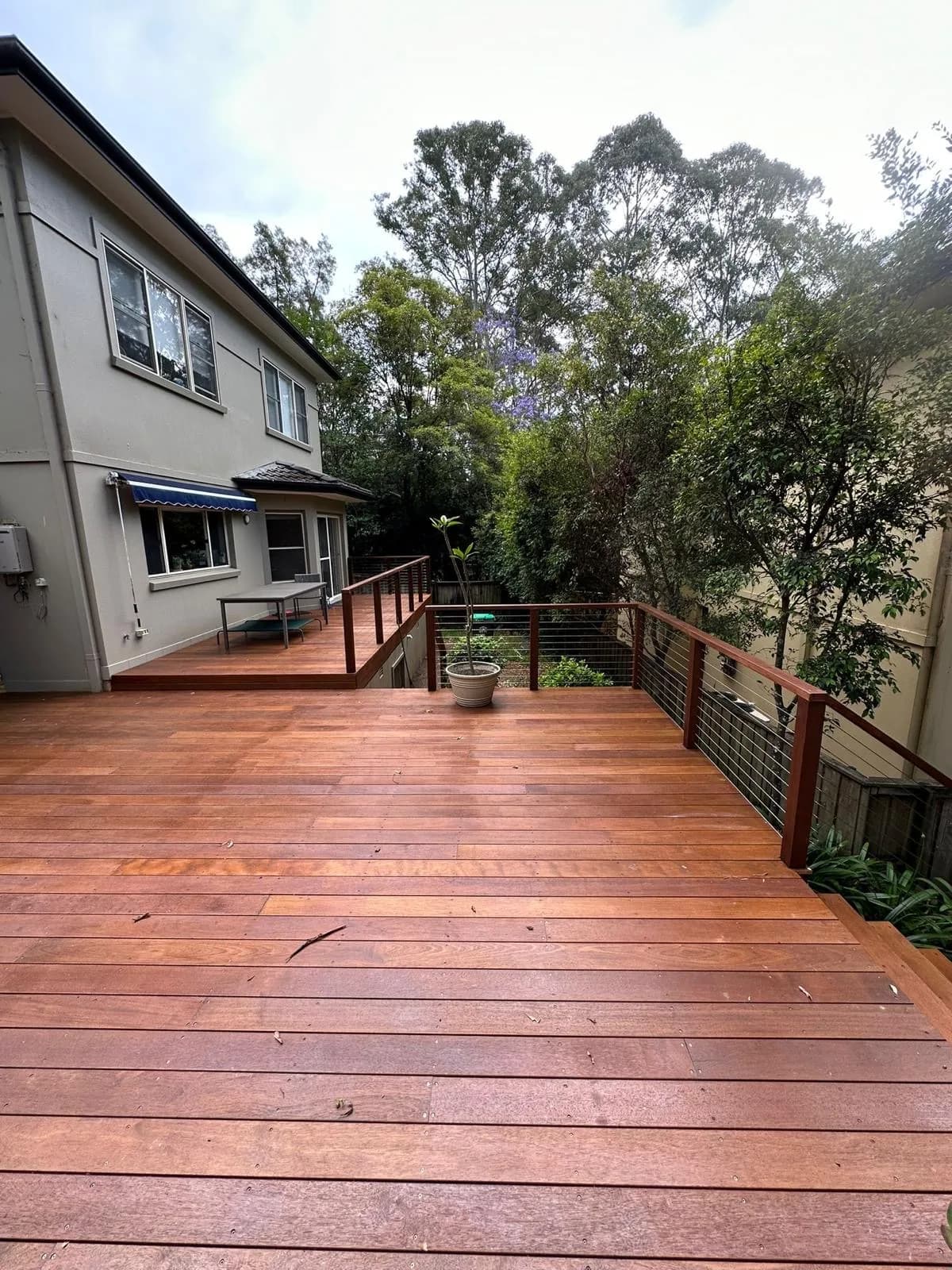
Framed into a new deck from the start, or added to an existing deck or balcony once the frame has been checked. A screen can also form part of a balustrade if it meets the balustrade rules.
- 04
Fence screens and top-ups
A batten top-up on a sound timber fence, or a freestanding screen on its own posts just inside the fence, along the whole boundary or just where you need cover.
- 05
Composite fencing
A full fence in composite boards or battens, as in a courtyard we built. No painting or oiling.
Screen planner
Plan your screen
Change the batten width and the gap to see how much a screen hides, and how much air and light still gets through.
- Hidden, straight on
- 87%
- Open for air and light
- 13%
- Battens per metre
- 13
- Straight on. From an angle, the same screen hides more.
- Tighter gaps catch more wind, so the posts and footings are sized for the screen.
Your screenHorizontal 65 mm battens, 10 mm gaps, timber
Before we price it
What changes a screen
Wind
A tall screen with tight gaps behaves like a sail. Posts, brackets and footings are sized for its full area, especially on balconies and raised decks.
Height and approval
Many screens in NSW are exempt development within height and location limits. On a boundary, the height limit includes any top-up; taller screens or heritage-listed lots may need approval, and balconies in strata buildings need the owners corporation first.
Gaps and privacy
Smaller gaps give more privacy; bigger gaps let more breeze and light through. Angled battens can give some of both.
Neighbours
Work on a shared boundary fence normally needs the neighbour's agreement. A screen fully on your side, on your own posts, is simpler, but it's still worth talking to them early.
Upkeep
Timber in full sun and rain needs re-coating more often, and sealing the backs and ends of the battens helps them stay straight. Composite only needs washing.
What customers say on Google
Google rating
5.0
From 33 reviews on Google
“From the first conversation, Hamzeh and his team were honest and straightforward about what the job would involve and what it would cost - no surprises along the way.”
How a job runs
How a screen job runs
Step 01
Show us the problem
A photo from where you sit, and one of what you want to block, tell us most of what we need.
Step 02
Measure and mark out
On site we check sight lines, what the screen will fix to and how exposed it is to wind.
Step 03
Quote
The written quote covers the battens, spacing, finish and how the screen is fixed.
Step 04
Build
Posts or brackets go in first, then the frame and battens, kept level and evenly spaced.
Do I need approval for a privacy screen?
Often not, if it stays within the State policy's height and location limits. Screens that are taller, sit on a boundary or are on a heritage-listed lot can need approval, and apartments and townhouses also need strata approval. We check the rules for your property before you commit.
How tall should a privacy screen be?
Tall enough to block the line of sight from where you sit or stand, and no taller. We measure from your actual seating spot and the neighbour's window, rather than picking a standard height.
Timber or composite battens?
Timber looks natural and can be stained or painted, but needs re-coating. For an oiled screen, a hardwood such as merbau or spotted gum; for a painted one, treated pine. Composite needs no oiling and can match a composite deck.
Can you add a screen to my existing deck?
Usually. We check the posts and joists the screen will fix to. If they can't take the wind load, the new posts go down to their own footings.
Can the screen be my deck's balustrade too?
It can, if it meets the balustrade rules: the right height and no gaps large enough for a child to slip through. On higher decks, horizontal battens need extra care because they can be climbed.
Can you add height to my fence?
A sound timber fence can often take a modest top-up. Steel sheet and leaning fences usually can't, so the safer option is a screen on its own posts just inside the fence, set to the height you need within the rules.
Do I need my neighbour's permission?
For changes to a shared boundary fence, in most cases yes. A screen fully on your side, on your own posts, doesn't change the dividing fence, but it is still good manners to let them know.
Do you install aluminium slat screens?
Our screens are built in timber and composite battens. Like aluminium, composite needs little upkeep, and it looks more like timber and can match a composite deck. If you're weighing up aluminium, we can talk through how the options compare for your space.
Regions we work in
We build across these parts of Sydney. Open your region to find your suburb.
Northern Beaches38 suburbs
Sydney City20 suburbs
Eastern Suburbs40 suburbs
Planning a privacy screen? Tell us about it
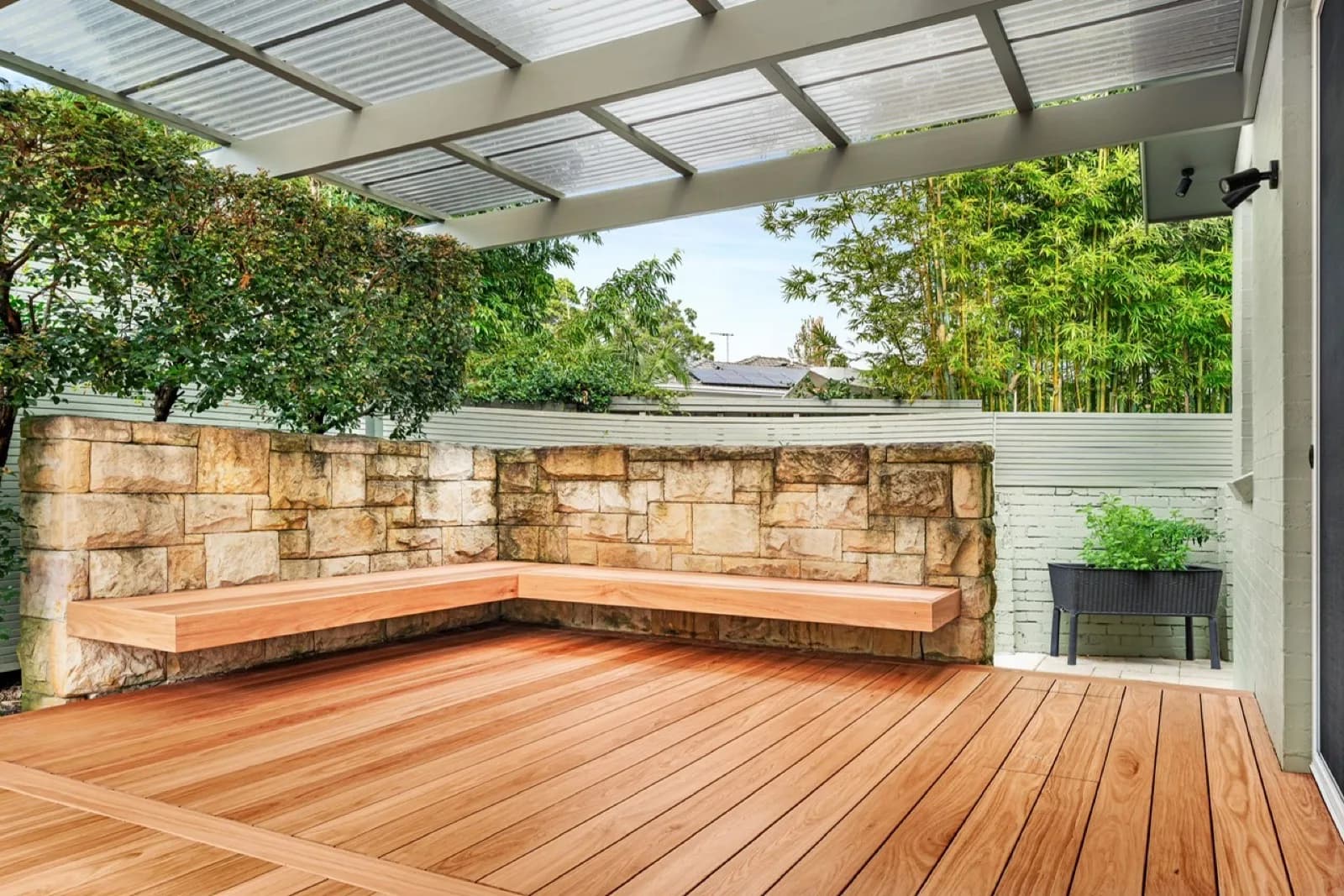
A few details and a photo or two of the area are enough to start. We'll be in touch to talk it through.